Skin overpay: when a price premium makes sense
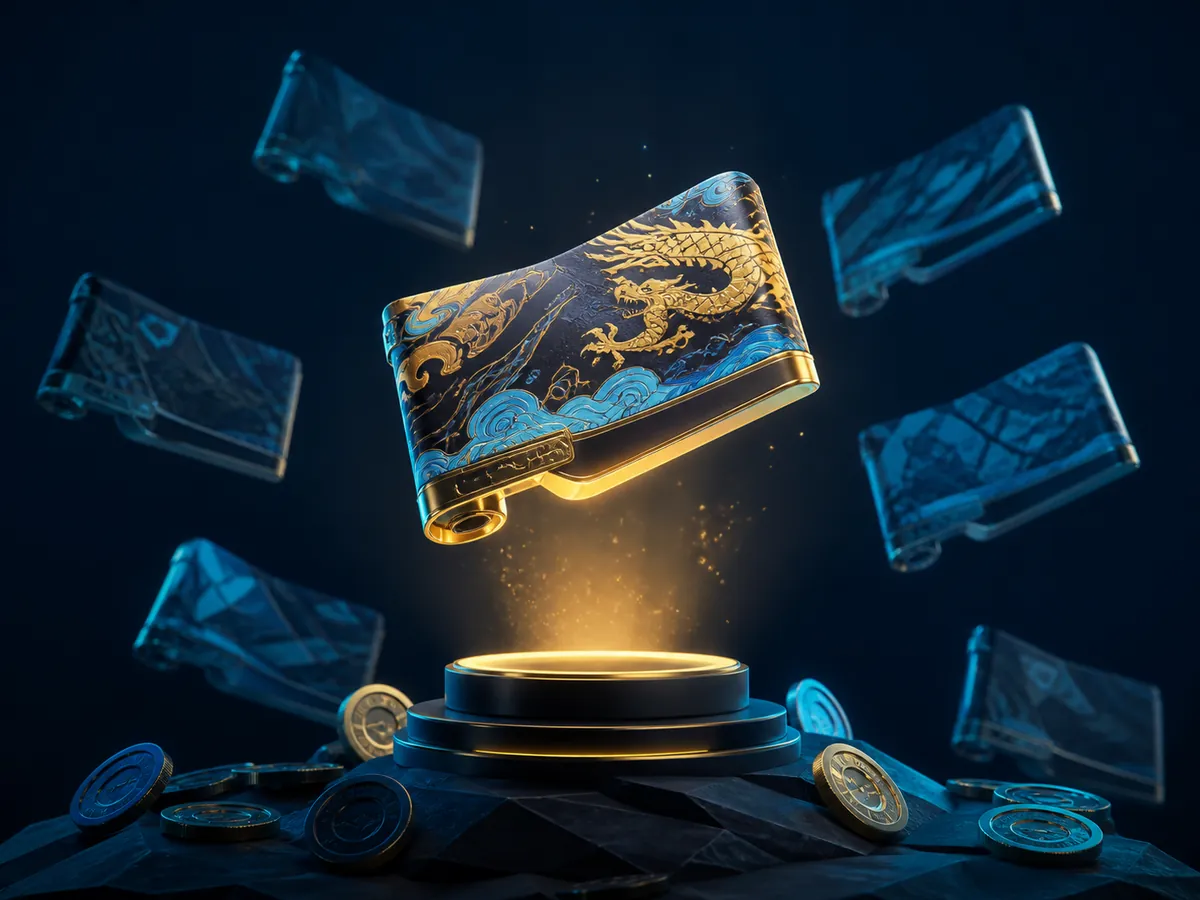
price premium is an additional payment above the regular market price of the item. The word sounds like you are being deceived, but in reality price premium is completely normal: they actually pay more for a rare copy. The only question is how much and whether it will be returned upon sale.
Where does the markup above the market price come from, its three honest sources, how to calculate a reasonable amount and why most overpays are not returned upon sale.
Three reasons for a premium
Instance parameters. Low float, rare pattern, valuable stickers - what the market objectively pays more than the base price for. This is the only type of price premium that can be counted.
Speed and convenience. A person pays extra to receive an item right now, rather than waiting a week for the desired item. Or to carry out a transaction in one step instead of three.
Personal desire. A collector wants a specific piece, and is willing to pay above market value simply because he wants it. This is not a mistake if a person understands what he is doing.
Anything that doesn't fall into these three categories is usually just overpriced.
Estimating a reasonable premium
First, separate the base from the feature. Find the price of a regular copy of the same skin in the same condition - this is the base, and it is known exactly.
Next, look for completed sales of items with the same feature. The difference between them and the base is price premium, which the market actually pays.
If there are no sales with such a feature, there are no price premium either. Not “unknown”, but precisely not: the price exists only where someone paid.
Separately, check how long such items have been on sale. price premium at 50% on an item that is sold for six months is not a bonus, but a trap.
- One expensive listing doesn't prove anything. We need deals.
- Ask the seller for an inspect link, not a description in words.
- The higher price premium, the narrower the circle of future buyers.
Why you may not recover the premium
You buy from someone who knows the value of a feature, and you sell to someone who needs to understand it first. The second happens less often.
On the mass market, your rare float simply will not be seen: buyers filter by price and take the cheapest lot. To get your premium back, you need an audience that is specifically looking for such copies.
Plus commission. price premium of 15% at the entrance and a commission of 13% at the exit means that to break even, the item must rise in price by almost a third.
The conclusion is not “never overpay”, but “overpay consciously”. If you take a rare copy for yourself and do not plan to sell it, there is no question. If you’re planning, consider who you’ll sell it to and for how much, even before you buy it.
When to walk away
The seller cannot name a specific parameter - “simply rare” without the number, value or name of the sticker.
As proof of prices, they show a screenshot of someone else's ad, and not completed transactions.
They rush you: “there is another buyer, decide now.” A truly rare item waits for a buyer for months, no one is in a hurry with it.
You are offered to leave the site for a personal deal for the sake of a “better price.”
Frequently asked questions
What does skin overpay mean?
An additional payment above the normal market price of an item - for rare parameters, for urgency, or simply because the buyer needs this particular item.
Is a price premium always a scam?
No. For rare float, pattern or stickers, the market actually pays more. The problem begins when the additional payment is not confirmed in any way.
How can I tell whether a premium is justified?
Find completed sales of items with the same trait. The difference between them and the price of a regular copy is the actual size price premium.
Will I recover the premium when I sell?
Often not. You need to find a buyer who is interested in the same feature, and also cover the site’s commission.
Does a low float always justify a premium?
Only if the difference is visible to the eye or the value is extreme. In the middle of the range there is usually no copay.
Why seemingly identical skins have different prices
I see two lots with the same name and twice the price difference. Eight reasons in order of verification - from condition and float to the seller’s banal inflated price.
Read guide
How to find rare skin variants on the market
What is generally considered rare, how to filter lots by float and pattern, where to look for undervalued items and why you won’t be able to sell such a piece quickly.
Read guide